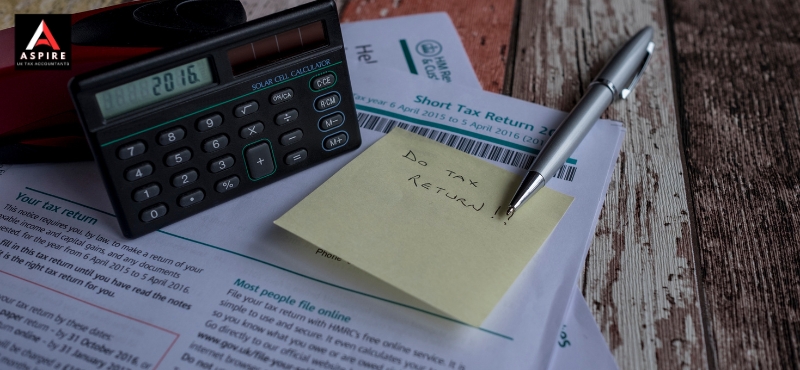

Every January, sole traders across the UK file Self Assessment returns that quietly overpay HMRC. Not because the rules changed, but because nobody told them what they were allowed to claim.
An allowable expense is any cost incurred "wholly and exclusively" for your trade, and that phrase covers far more than most people assume. Here are the ten claims worth checking before you file your 2026 return.
1. Office and Equipment Costs
Laptops, printers, stationery, software subscriptions, business phone bills. If you bought it to run the business, it counts. Under the cash basis, which is now the default for most sole traders, you simply deduct equipment in the year you paid for it rather than fiddling with capital allowances. Keep the receipts, though. HMRC can ask for records going back over five years.
2. Vehicle and Mileage Costs
The simplified mileage method pays 45p per mile for the first 10,000 business miles and 25p after that. A plumber driving 12,000 business miles in a year claims £5,000 without logging a single fuel receipt. The alternative is claiming actual running costs split between business and personal use, which sometimes works out better for expensive vehicles, but you have to pick one method per vehicle and stick with it.
3. Working From Home
HMRC's simplified flat rates give you £10 a month if you work from home 25 to 50 hours, £18 for 51 to 100, and £26 for 101 or more. That's the easy route. The better-paying route for many is apportioning real household costs like heating, electricity, council tax and rent by rooms used and hours worked. A spare-room office in a four-room flat used 40 hours a week can beat the flat rate by several hundred pounds a year.
4. Travel and Accommodation
Train tickets to client sites, hotel stays for trade shows, parking, tolls. All allowable, with one trap: your regular commute to a single fixed place of work doesn't count, and neither does the pub lunch you'd have bought anyway. Reasonable subsistence while travelling overnight for work is fine.
5. Staff and Subcontractor Costs
Wages, employer National Insurance, pension contributions and subcontractor invoices are all deductible. If you pay subcontractors in construction, the Construction Industry Scheme adds its own layer of deductions and paperwork, so keep those statements filed properly.
6. Stock and Raw Materials
Whatever you buy to resell or turn into your product is deductible. Straightforward for retailers, but service businesses often forget the equivalent: a photographer's props, a decorator's brushes, a caterer's ingredients for tastings. If it goes into the thing you sell, claim it.
7. Accountancy, Legal and Professional Fees
Fees you pay an accountant for your business accounts and tax return are themselves an allowable expense, which softens the cost of getting help. So are solicitor fees for business matters, professional indemnity insurance and trade body memberships. This is one place where spending money reliably saves money; a good adviser tends to find claims you missed. That's exactly what our accounting and tax services are built around for sole traders.
8. Marketing and Website Costs
Your website hosting, domain renewals, advertising, business cards, directory listings and sponsored posts are all deductible. One caveat: client entertainment, meaning meals and hospitality for customers, is specifically disallowed. Advertise all you like, but the dinner is on you.
9. Bank Charges, Interest and Insurance
Business bank account fees, interest on business loans, card processing charges and business insurance premiums all reduce your taxable profit. Under cash basis rules the interest deduction is capped, so if you carry significant borrowing it's worth checking which basis suits you before filing.
10. Training That Updates Existing Skills
A course that keeps your existing skills current is allowable; HMRC has also confirmed that training in new skills related to your existing trade generally qualifies too. A web designer taking an advanced coding course can claim it. Retraining as a completely different profession is where the deduction stops.
Getting the Claims Right on Your Return
All of these go through your Self Assessment return, and the totals need to survive an HMRC look under the bonnet. The filing process itself, from registration to payments on account, is covered in our Self Assessment tax return guide for 2026. Two things trip people up most: claiming the £1,000 trading allowance and expenses at the same time (you must choose one), and having no records to back up round-number estimates.
Record keeping is about to matter even more. From April 2026, Making Tax Digital for Income Tax pulls sole traders earning over £50,000 into quarterly digital reporting, so shoebox receipts won't survive the transition. If your books are still a spreadsheet and a drawer of paper, our bookkeeping tips for sole traders and limited companies is a sensible place to start tightening things up.
Final Word
Most sole traders who review their expenses properly for the first time find claims they've been missing for years, and the mileage and home-working calculations are usually where the money hides. If you'd rather have an ACCA-qualified accountant check what you're entitled to before the January deadline, request a callback from ASPIRE UK and get it done on a fixed fee.